Why should you care specifically for Hermes sandals women?
Because Hermes sandals are crafted from delicate, high-value leathers and finishes that show wear quickly if mistreated, targeted care preserves fit, appearance, and resale value. Simple cleaning mistakes—using harsh cleaners, heat, or household oils—cause irreversible staining, color transfer, and edge damage.
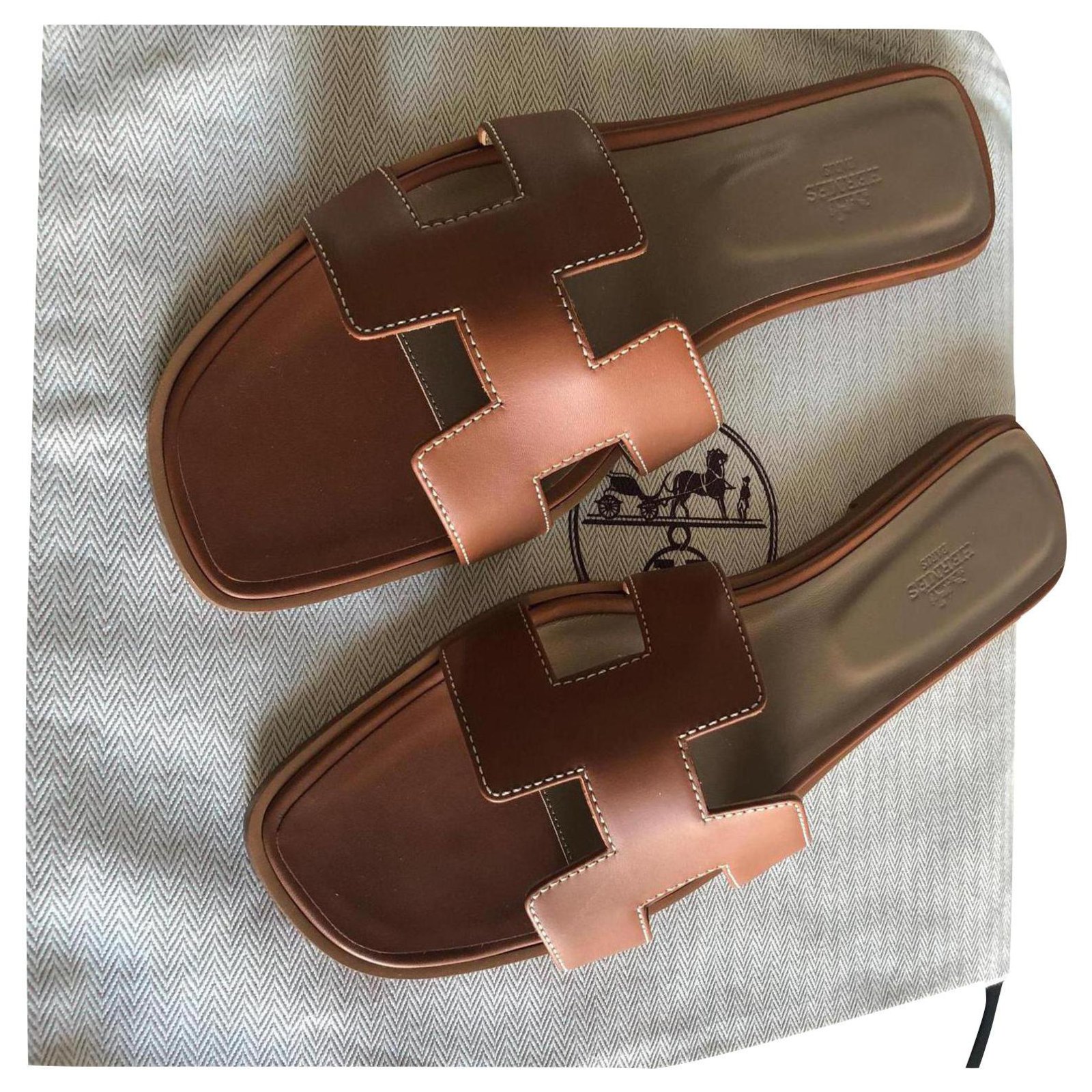
Hermes sandals such as the Oran or Oasis use thin straps, hand-stitched edges, painted rims and often high-gloss or aniline leathers that react differently to water, oil and abrasion. Treating every component with the right technique prevents stretching, cracking, discoloration and hardware corrosion. Regular, specific care reduces the need for intensive restoration later and keeps the sandals wearable longer. This section sets the rule: identify the material, then apply the single correct method—no shortcuts.
What materials and components make Hermes sandals different?
Hermes sandals are usually assemblies of smooth calfskin (box calf), grained leathers (Epsom), soft aniline or Swift leathers, suede/nubuck, painted edges, metal hardware and leather or rubber soles. Each of these materials has a distinct vulnerability and requires a different cleaning and conditioning approach.
Smooth leathers are prone to surface scuffs and transfer; grained leathers resist scratches but trap dirt in crevices; suede absorbs liquids and oils; metallic or foil finishes flake when abraded; painted edges can wear off when wet or abraded. Hardware—buckles, rivets or gold/silver-plated fittings—react with salt, sweat and acidic cleaners. Soles are either leather (prone to swelling with moisture) or rubber (easy to clean but glue joints can fail). Knowing these components is the first actionable step before any product touches the sandal.
How should you clean Hermes sandals step-by-step?
Start by identifying the material, then follow a staged cleaning protocol: remove dry dirt, test a small hidden area, use a pH-neutral cleaner or dedicated product, and dry at room temperature away from direct heat. Rinse or repeat only if necessary and never saturate leather.
Begin cleaning every pair by brushing dust away with a soft brush or cloth, loosening grit that can abrade the leather. Always perform a patch test on an inconspicuous inside area to confirm no color change. Use a mild, pH-neutral leather cleaner—apply sparingly with a barely damp microfiber, working in gentle circular strokes. Wipe away residue with a clean damp cloth, then dry with a soft towel; allow the sandals to air-dry naturally. Repeat sparingly—over-cleaning strips natural oils and weakens dye adhesion.
Smooth calf and smooth leather cleaning
For smooth calf and aniline leathers, clean with a mild leather cleaner and a microfiber cloth; avoid soaps with moisturizers or alcohol. Be conservative with water; leather accepts only a little moisture before the dye shifts or edges swell.
Remove surface dirt first by brushing. Apply a controlled amount of neutral leather cleanser to a damp cloth and work the strap and footbed gently. For localized stains, use a cotton swab and cleaner rather than saturating the leather. Dry flat and stuff straps with soft tissue to retain shape; never use a hairdryer or radiator. After dry, condition lightly—one thin application—so the leather regains suppleness without darkening.
Grained (Epsom) and embossed leather cleaning
Grained leathers tolerate slightly more abrasion and moisture, but dirt lodges in the grain and needs targeted cleaning with a soft brush and mild cleaner. Avoid abrasive scrubbing that flattens the grain pattern.
Loosen dirt with a soft brush, then use a small amount of neutral cleaner applied with a microfiber in the direction of the grain. For stubborn debris, a soft nylon toothbrush works—use very light pressure. Wipe away residues with a damp cloth and dry naturally. Apply a light conditioner formulated for grained leather to maintain flexibility and prevent hairline cracks along fold lines.
Suede and nubuck cleaning
Suede and nubuck demand a dry-first approach: brush and use a suede eraser for marks, then a dedicated dry-clean spray if needed; water can leave permanent stains. Never apply oil-based conditioners to suede.
Brush the nap with a suede brush to restore texture; for scuffs, use a rubber suede eraser and then re-brush. For oil stains, sprinkle absorbent powder (talc or cornstarch), let sit overnight, then brush away. If moisture hits suede, blot immediately with a clean towel and allow slow air-drying, then re-raise the nap. Use a silicone-based suede protector spray designed for delicate footwear before wearing in uncertain weather.
Metallic finishes, patent and foil details
Metallic or foil-finished straps are fragile: clean with a barely damp microfiber and avoid rubs that remove finish. Solvents, alcohols and abrasive pastes will strip metallics irreversibly.
Wipe gently to remove dust, using light strokes along the grain or finish. If scuffed, try a micro-polishing cloth designed for delicate patent surfaces—do not use standard shoe polish. Do not apply standard leather conditioner; instead, use products specified for patent/metallic finishes. Keep painted edges dry; reapplication of edge paint is a specialist job best left to professionals if the rim starts to peel.
Soles, stitching and hardware care
Clean soles and hardware last: rubber soles clean with soap and water; leather soles need minimal water and should be dried flat. Metal hardware responds to polish-free wiping and occasional targeted metal polish if appropriate to plating.
Brush off sole dirt and use a damp cloth with mild soap on rubber soles, avoiding the upper joint. Leather soles should be wiped with a damp cloth and allowed to dry away from heat; if the sole is glued, avoid soaking. Wipe hardware with a microfiber cloth; for tarnish, use a tiny amount of non-abrasive metal cleaner applied with a cotton swab, avoiding contact with leather. Inspect stitching for loose threads and have any structural damage repaired by a leather specialist to avoid further failure.
| Material | Cleaner | Conditioner/Protectant | Drying | Frequency |
|---|---|---|---|---|
| Smooth calf/aniline | pH-neutral leather cleaner, microfiber | Light aniline-safe conditioner | Air dry, room temp | Monthly light clean; spot-clean as needed |
| Grained (Epsom) | Neutral cleaner, soft brush | Grain-safe cream | Air dry | Every 6–8 weeks depending on wear |
| Suede/Nubuck | Dry brush, suede eraser, suede-specific spray | Suede protector spray (spray only) | Air dry; no heat | Brush weekly if used often; protect before wear |
| Metallic/Patent | Microfiber, damp cloth | Patent-safe cleaner; avoid leather oils | Air dry | Spot-clean only |
| Soles & Hardware | Soap & water for rubber; damp cloth for leather | Non-abrasive metal cloth for hardware | Air dry | After each heavy wear |
How do you condition Hermes sandals correctly?
Conditioning restores suppleness but must be measured: apply a thin, aniline-safe conditioner only when leather shows dryness, not after every clean. Over-conditioning saturates dyes and darkens leather permanently.
Choose a conditioner labeled for delicate or aniline leathers; avoid heavy animal oils, mink oil or generic household oils that darken or break down tannins. Rub a pea-sized amount into a clean cloth and test in an inside seam. Work a single thin coat into straps and footbed edges, then remove excess immediately. Allow 24 hours before wearing to ensure the conditioner absorbs evenly and color stabilizes. Condition sparingly—usually 2–4 times a year for frequently worn hermes women sandals and less for infrequent use.
\”Never use cooking oils, petroleum-based ointments or undiluted saddle soap on Hermes leather; these darken, clog pores and can cause permanent loss of finish,\” warns a leather conservator with decades of restoration experience.
How do you protect and store Hermes sandals to prevent damage?
Protection is preventive: use a suitable spray protector for suede or a light leather protectant for smooth leathers, and store sandals in dust bags with shape support to avoid creasing. Rotate footwear regularly to allow leathers to breathe and recover natural oils.
Apply protection sprays only to dry, clean surfaces and follow manufacturer drying times. Stuff straps and toe boxes with acid-free tissue or use low-tension shoe trees for sandals with structure to keep shape. Store in a cool, dry place away from sunlight and heat sources; prolonged sunlight causes fading and dries leather. Keep each pair in its dust bag to avoid color transfer between items and never pile shoes—pressure crushes straps and finishes. If you expect damp exposure, pack silica gel with stored sandals to reduce humidity and prevent mold.
Troubleshooting: what are precise fixes for common damages?
Address problems quickly: remove salt stains by a measured damp-cloth wipe and mild cleaner; revive flattened suede with careful steam and brushing; repair separated edges or peeling paint through a professional restorer. Do not improvise with solvents or strong chemicals.
For salt marks, mix equal parts water and white vinegar applied sparingly, then wipe and dry; test first. Oil stains on leather often require professional cleaning—do not rub or you will spread the stain. Scuffed edges may be minimized with edge color sticks designed for dye-matched rim touch-ups, but deep paint loss needs specialist re-edge work. If stitching loosens or sole glue fails, send the sandals to a cobbler experienced with luxury leather—DIY glues trap dirt and shorten lifespan. Regular inspections prevent small issues from becoming irreversible damage.
Little-known but verified facts about Hermes sandals care
Fact 1: Aniline-dyed leathers absorb oils and liquids more readily than pigmented leathers, so even trace amounts of body lotion or sunscreen can produce visible dark spots on the straps. Avoid applying such products right before wearing.
Fact 2: Grained leathers like Epsom were developed to disguise small scratches and provide structure, but the grain also traps dirt; brushing periodically keeps the grain looking fresh and reduces micro-abrasion.
Fact 3: Edge paint used on luxury sandals is often a flexible lacquer; repeated moisture exposure softens it and causes peeling—careful waterproofing of the edge is more protective than frequent wet cleaning.
Fact 4: Suede recovers nap better when gently steamed from a distance and then brushed; aggressive wet-cleaning compacts fibers and can permanently change texture.
Final practical checklist before you wear and after you store
Before first wear, test a small hidden spot for cleaning and protection products; after every outing, knock off grit, wipe footbeds and air them fully before storing. Make these routines habitual to stop minor damage from escalating.
Check straps and hardware after each use; treat salt, sand and sweat promptly. Keep a small care kit: soft brush, microfiber, a mild leather cleaner, suede eraser and a travel-sized protector spray. For any color loss, structural damage or complex stains, consult a professional leather restorer experienced with luxury footwear to avoid irreversible mistakes. Regular, material-specific care protects both daily wearability and long-term value.